
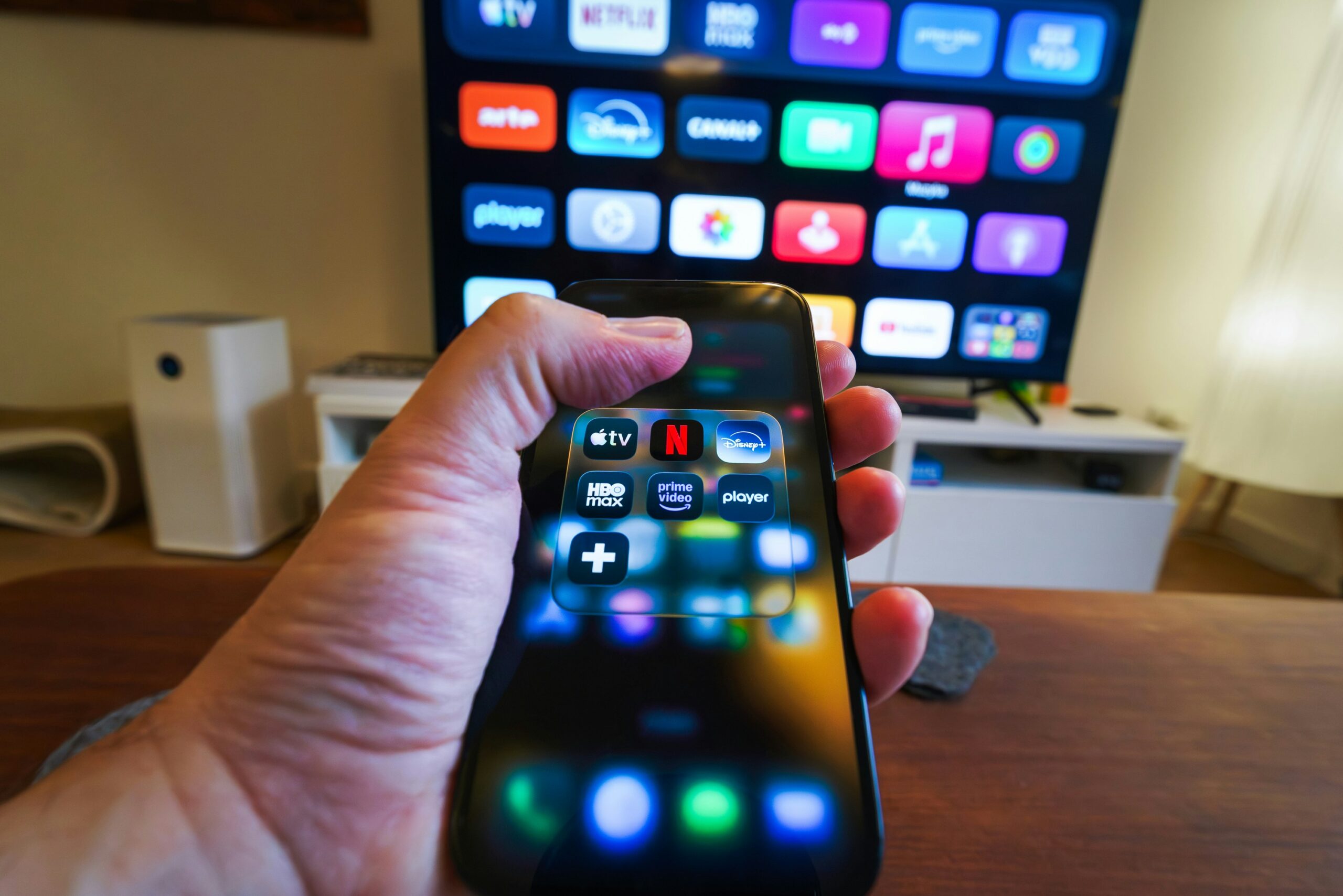
You sit down to watch just one episode.
At first, it feels harmless. A small break after a long day. Something to help you relax without overthinking.
Then the next episode starts, and a couple more episodes wouldn’t hurt you, though.
You don’t stop. Before you know it, hours pass. A whole season streams by in one evening.
It stops feeling like a choice and simply becomes what you do.
This convenience can gradually become an escape from everyday responsibilities.
Why Binge-Watching Feels So Easy
Streaming platforms such as Netflix and Prime Video are designed to keep you watching.
Auto-play removes choices. Recommendations suggest the next show. Cliffhangers pull you in.
As a result, continuing feels effortless, while stopping feels like a conscious decision.
Further binge-watching blurs the line between entertainment and avoidance, and in that blurred space, unforeseen costs emerge.
When something needs effort and attention, like an upcoming deadline, you tend to delay it.
Subsequently, binge-watching is no longer just entertainment but a habit that causes procrastination.
Initially, binge-watching can be entertaining, but it can become addictive.
It helps you unwind and gives you a break from your daily monotonous schedule. It even feels comforting.
However, there’s a subtle shift that happens over time.
You may start watching not out of interest but because it’s now routine, amplified by social expectations, job pressure, or boredom.
Not because you enjoy it, but because it helps you avoid stress and escape real-life struggles.
Sometimes, it’s not obvious.
But if you pause and reflect, you might notice:
- You turn to shows when you feel stressed.
- You keep watching to avoid overthinking.
- You use it to fill the silence or boredom.
- You delay tasks by “just one more episode.”
In other words, binge-watching can quietly become a way to disconnect from your own thoughts.
And while that feels comfortable, it can distance you from what actually needs your attention.
The Hidden Impact of Too Much Watching
Not all binge-watching is harmful.
If it becomes excessive, negative effects show on mental and physical health.
- You feel mentally drained instead of relaxed.
- Your sleep schedule gets disrupted, and you get disoriented.
- You lose track of time more often and feel less productive.
- You feel less present in your daily life and lack mental clarity.
Moreover, excessive content leaves little room for creativity and reflection.
But again, binge-watching cannot be considered entirely negative. As you explore new cultures, ideas, and narratives through global content. Inspired by good storytelling and gained fresh insights from real-life documentaries. It’s important to remember that it is done within limits and with awareness. Binge-watching can be a tool for consuming meaningful content, and it is used mindfully.
Finding a Healthier Balance
Consequently, you don’t need to quit binge-watching.
Instead, aim to be more aware of how and why you’re watching.
Here are a few simple shifts you can try:
-
Pause before the next episode
Give yourself a moment to decide instead of continuing automatically.
-
Set a soft limit
For example, one or two episodes at a time.
-
Turn off auto-play
This small step can make a big difference.
-
Notice how you feel afterward
Relaxed or drained? Let that guide your next choice.
-
Create alternatives
Hobbies such as reading, journaling, or learning a new skill can feel surprisingly energizing.
A Quiet Reflection
Binge-watching isn’t the problem.
Losing awareness is.
Sometimes, if your reason truly is entertainment, it can help you rest, unwind, and enjoy a story.
But other times, it becomes an easy way to avoid and replace it with real-life engagement or tasks.
So the next time you press play, pause for a moment and check for intent.
Ask yourself—
Am I watching to relax and control my time, or to avoid something?
The answer doesn’t have to change your choice. But it will change your awareness around it.
And sometimes, that’s all you need to bring balance back into your life. Reclaim your intention, and let your viewing habits serve your well-being, not just your routine.
For the letter O. This post is a part of BlogchatterA2Z Challenge 2026








Such a reflective and grounded piece. The way you explored binge-watching as something that slowly shifts from entertainment into escape feels very real and relatable. It gently highlights how we sometimes turn to screens not just for stories, but for relief from everything else we’re holding.
Absolutely, awareness is key. I’m glad you liked reading the blog post.