For a long time, you believed that sustainable living had to be perfect.
Zero waste. Plastic-free. Every choice is intentional and environmentally friendly.
But as an environmentally conscious person, you couldn’t maintain every ideal; it felt like you were falling short of them.
So, feeling guilty for not doing your bit for the planet, and for the seemingly unrealistic expectations you set for yourself, you didn’t start at all.
Nevertheless, striving for perfection was overwhelming and discouraged any action.
But here’s the truth: a sustainable lifestyle was never meant to be perfect. Real results are achieved through collective, imperfect action by society as a whole, not through the perfectionism of a single individual.
And when the realization set in that shift changes everything.
Letting Go of the “All or Nothing” Mindset
There are times the social media feeds are packed with images of influencers who appear to lead a plastic-free lifestyle or organize perfect zero-waste kitchens.
You get caught up with the idea that if you aren’t doing everything, you might as well do nothing to begin with. And chasing perfectionism sets an impossibly high target that you simply cannot achieve.
However, this is often the mindset that holds you back.
Because when you wait to do everything perfectly, you end up doing nothing at all.
This leads to eco-perfectionism, in which you develop a mindset that doing anything less than absolute commitment is worthless.
When it comes to saving our planet, being passive is more harmful than taking inconsistent, less-than-ideal actions, which are far more important.
Instead, sustainable living begins with small, imperfect steps.
And over time, those steps begin to add up.
What “Better” Looks Like in Everyday Life
For you, sustainable living begins with participation that over time becomes habits or meaningful hobbies that are manageable and not tiresome.
It can look simple. Real. Sometimes inconsistent.
- Practice the 3 R’s (Reduce, Reuse, Recycle) to reduce waste & avoid single-use plastic.
- Carrying a reusable cloth bag on most days, not all.
- Reduce food waste and support eco-friendly businesses.
- Recycle your trash and use recycled products such as cardboard, paper, etc.
- Switching to LED bulbs and turning off lights or devices when not in use at home to conserve energy.
- Reduce your carbon footprint by walking, biking, or taking public transportation instead of driving your car. You can also carpool instead.
These aren’t big changes.
But they are conscious ones.
And that’s where it all begins.
Progress Over Perfection
There will be days when you forget.
Days when convenience wins and when you choose ease over effort.
Earlier, you might have felt guilty about it.
Since there is no single right way to live an eco-friendly life, it will look different for each person. It’s based on a person’s location, income, housing, access to transportation, and other available resources within reach.
You could be someone living in an urban city with access to public transportation and disposable income. While others may be living in a rural area with access to the bare minimum facilities and a limited income.
However, now you can remind yourself—progress matters more than perfection.
Because sustainable living isn’t a destination. It’s a practice.
A series of choices made over time. Some are better than others.
However, sustainability must allow for a margin of error and growth to be inclusive and effective. As a result, it builds positive momentum and encourages broader participation.
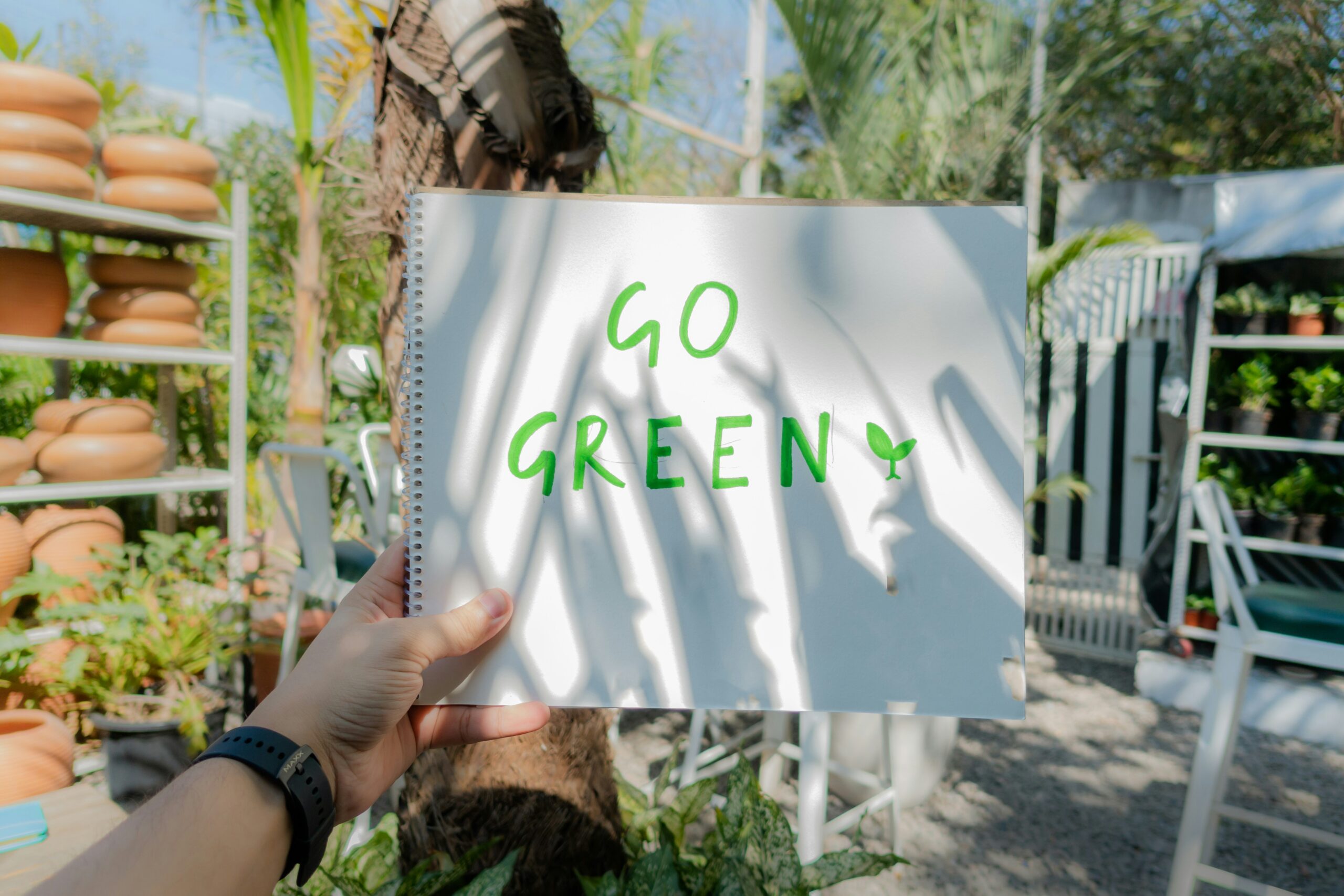
Think Green
Now, instead of aiming to be perfectly sustainable, you can aim to be more aware.
More intentional and mindful of your choices.
Just making small eco-friendly shifts in your everyday life, such as conserving water and electricity, and using reusable water bottles or coffee cups. Composting food waste or opting for sustainable products.
Hence, even small shifts like choosing less, wasting less, and reusing more can create an impact over time.
And more importantly, they shape the way you think.
These habits can turn into values you would live by, such as learning about local environmental issues or supporting organizations that campaign for climate change. Every action counts.
Start with small steps. Stay consistent. Allow yourself to learn and adapt as you go.
Because sustainable living isn’t about perfection.
It’s about showing up, again and again, and choosing better when you can.
And sometimes, taking action—even imperfectly is more than enough. Start making a difference today. You have the power to help shape a more sustainable world.
For the letter N. This post is a part of BlogchatterA2Z Challenge 2026