Whether it is the trendy phone wallpaper, the packaging paper of a product you bought, or an invitation to a colleague’s farewell party in your WhatsApp group. In fact, that’s graphic design. It’s a visual language that influences how we communicate using visuals, our choices, and creates delightful experiences.
For example, from the bright billboards to social media posts and e-book covers, graphic design creates the visual world we live in.
It’s all around you, but what is graphic design exactly? So let’s dive in.
What is Graphic Design?
At its core, graphic design is about communicating ideas or concepts visually. It’s not just about making things look pretty. Rather, it’s about making them understandable, engaging, and memorable.
For instance, think of a well-designed Instagram post. You pause. You read. You remember. That’s design doing its job.
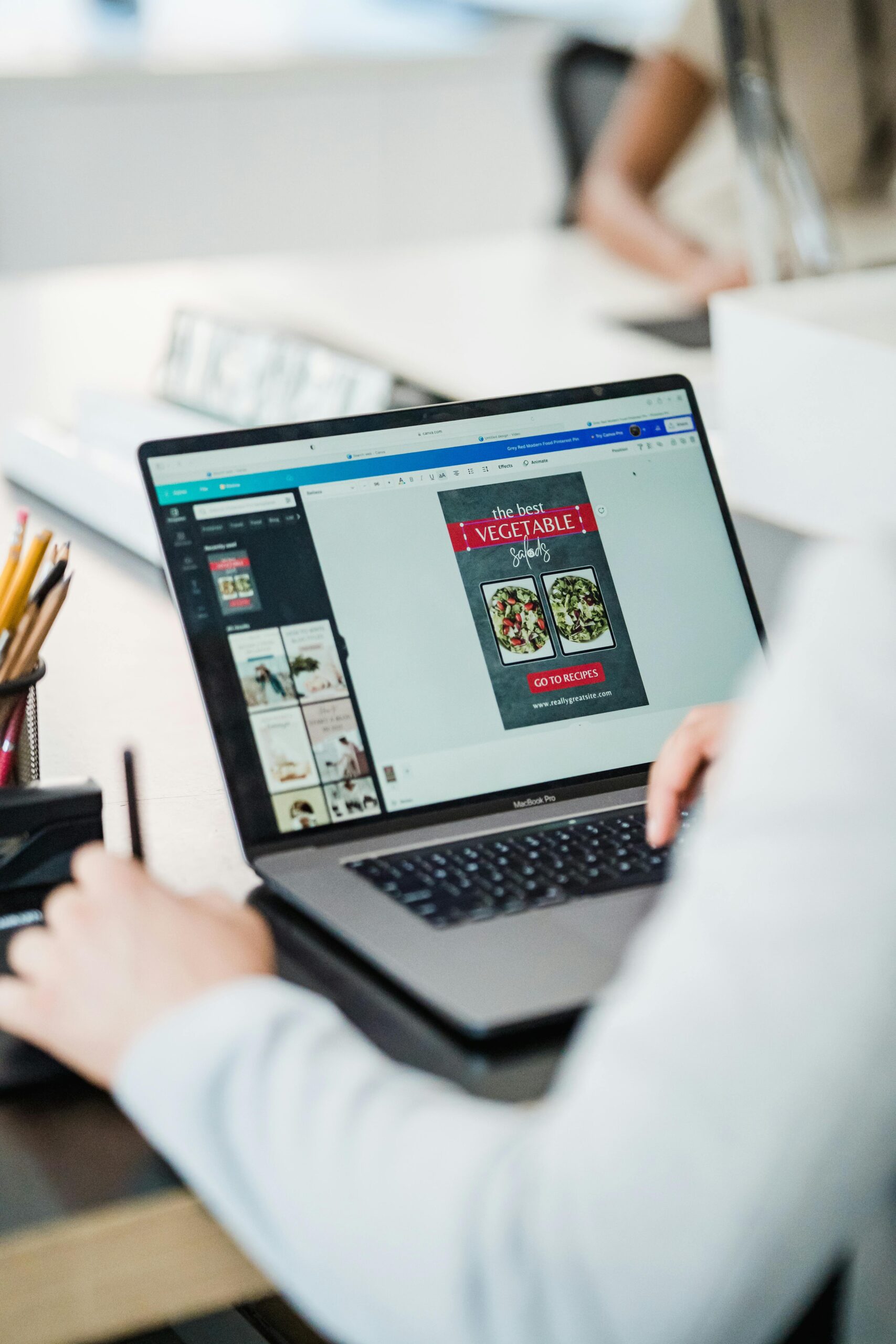
Meanwhile, the good news is you don’t need to be a professional to get started. Tools like Canva or Adobe Express make it easy to create clean, attractive designs with ready-made templates.
Moreover, you can also learn by observing—YouTube tutorials, design books, or platforms like Skillshare and Coursera can give you a strong starting point.
Fundamentals of Design
- Color: Sets the mood. Bright colors feel energetic, while muted tones feel calm.
- Typography: The style of text you use. Fonts can make your design feel modern, elegant, or playful.
- Layout: How elements are arranged. A cluttered layout confuses. On the other hand, a clean one guides.
- Images & Icons: Visual elements that support your message.
When you combine these thoughtfully, even a simple design can look polished.
The Principles of Design
Balance
Contrast
Alignment
Repetition
Hierarchy
Guide the viewer’s eye—what should they notice first? The headline? The image?
Overall, these small tweaks can turn an average design into something visually appealing.
Graphic Design Elements
- Lines – Guide the viewer’s eye or divide sections
- Shapes – Add structure and visual interest
- Textures – Create depth (even in digital designs)
- Space (White Space) – The breathing room that prevents clutter
A common mistake? Trying to fill every inch. In fact, sometimes, less really is more.
Tips on Graphic Design Skills for Non-Designers
Keep it Simple
Use Templates Wisely
Observe Good Design
Stick to a Color Palette
Pair Fonts Carefully
Practice Regularly
The more you design, the more your eye improves. Eventually, you’ll notice your style evolving.
Conclusion
Graphic design isn’t just for designers—it’s for anyone who wants to communicate better. Therefore, when you’re creating a social media post, a presentation, or even a simple invite, understanding the basics can make a huge difference.
In other words, you don’t have to get it perfect. You just have to start.
As a result, sometimes, all it takes is a simple idea, a clean layout, and the confidence to create.
And finally, suddenly, you’re not just consuming visuals anymore—you’re creating them.
For the Letter G. This post is a part of BlogchatterA2Z Challenge 2026.