
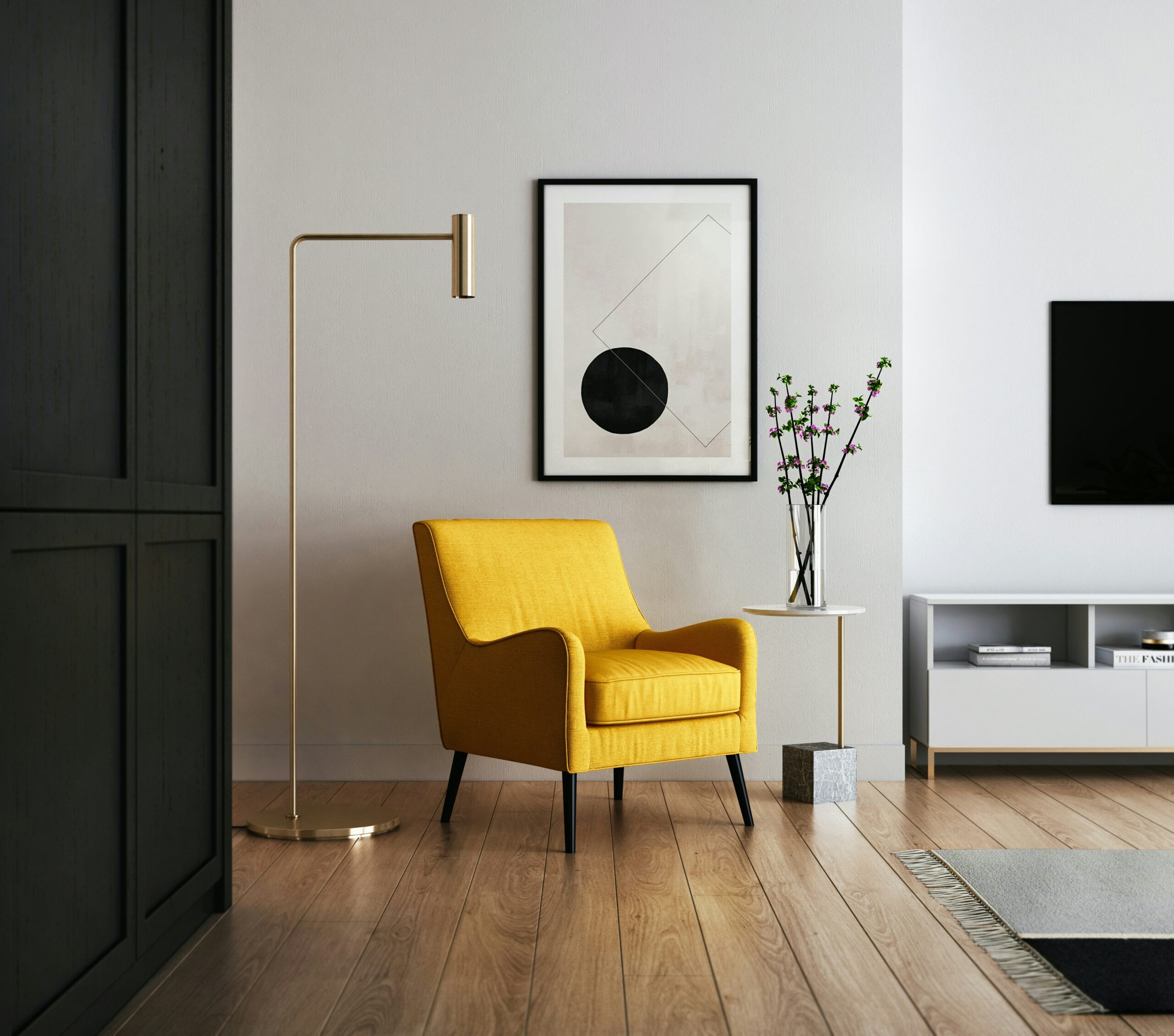
“How lovely yellow is! It stands for the sun”. – Vincent Van Gogh
Xanthic or yellow color is closely associated with sunshine, warmth, and brightness.
However, the shades you surround yourself with quietly shape how you feel, think, and respond to the world. Yellow spreads optimism and liveliness from vibrant sunflowers to refreshing lemons.
Yellow captures attention not just visually, but also emotionally and psychologically.
Brightness, happiness, and full of life—it has a way of catching your attention instantly. Yellow shows up in our everyday life, from ripe bananas to marigolds in a garland.
But beyond its visual appeal, yellow has a deeper influence on your mood, energy, and happiness. Let’s look more closely at the psychology behind this vibrant color.
The Psychology of Yellow
Yellow is dynamic, spreads a good mood, and provides energy. Research has proven that exposure to yellow increases serotonin levels, commonly referred to as the “happy hormone”. The richer the yellow, the warmer and more positive it is, while the lighter shades indicate freshness and cheerfulness.
Yellow is the most visible color to the human eye because it reflects the most light. And that’s why school buses, taxis, traffic lights, and even sale signs are yellow. Due to its high visibility, it grabs attention as it’s the easiest color to see, especially at night.
Also, yellow represents clarity, curiosity, and happiness. Add a bunch of yellow flowers to the room and watch the mood uplift. Yellow can increase mental activity, and when your eyes fall on a visual distraction, it can boost creativity.
How Yellow Affects Your Mood
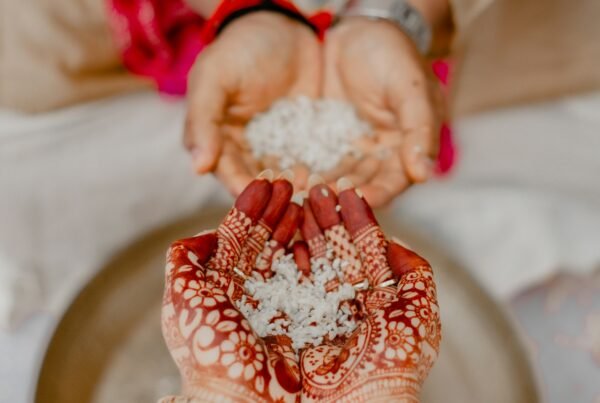
Colors can influence emotions, often without you realizing it. Yellow also represents enlightenment and spiritual illumination. In India, yellow is significant and deeply rooted in tradition. Turmeric is considered the most sacred and healing substance. From Haldi ceremonies and weddings to festivities, yellow symbolizes purity and new beginnings. Also, yellow symbolizes health, fortune, and happiness.
Yellow, a vibrant color, is particularly linked to feelings of:
- Warmth and friendliness
- Joy and Optimism
- Creativity and Innovation
Small touches of yellow can noticeably enhance well-being and mood.
A yellow notebook on your desk.
A soft yellow light in your room.
A piece of art with warm tones.
These simple elements can create a sense of comfort and quiet joy.
Finding Balance with Yellow
While yellow is energizing, too much of it can feel intense. Moreover, too much yellow can be overwhelming, like looking directly at the sun. A balanced touch, like yellow curtains or a statement wall, works best to create a happy vibe without overdoing it.
Bright shades may create restlessness instead of calm.
That’s why balance matters.
You can:
- Pair yellow with neutral tones.
- Use it to contrast against pale or dark backgrounds.
- Add it in small, intentional ways, such as a yellow cushion or a lampshade.
This way, you experience its warmth without feeling overstimulated.
Further, yellow is often linked to clarity and focus.
When used thoughtfully, it can create an environment that feels both calm and stimulating.
Most importantly, it is not distracting but gently engaging.
For instance, a workspace with subtle yellow accents can encourage alertness while maintaining comfort.
Final Thoughts
Color is more than decoration. It’s a psychological tool.
Yellow is more than a vibrant color. It reminds you of warmth, light, and simple moments of joy.
When you consciously bring it into your life, you create an environment that feels more alive and uplifting.
So whether you are designing a home or improving your mental health, the right colors can make all the difference.
Want to bring some sunshine into your life? Start small. Add yellow curtains, pastel yellow walls, or a vibrant bouquet of sunflowers in a vase.
Initially, the change may feel subtle. But over time, you begin to notice a difference.
You feel more energized.
You feel more positive.
You feel more present.
And gradually, your surroundings begin to reflect how you want to feel.
You don’t need drastic changes to improve your well-being.
Sometimes, it begins with something as simple as color. However, too much yellow can be overpowering, so balance is key.
Because when you choose your environment with intention, you influence your mood, your energy, and your daily experience.
And in that quiet shift, you create space for more light, clarity, and warmth in your life.
For the Letter X. This post is a part of BlogchatterA2Z Challenge 2026.






I was not sure about yellow for quite long. Recently I bought a shirt and received many compliments. Thank you for sharing about the colour yellow.
Thank you for sharing your thoughts.